Blog

What is GLP-1? A beginner’s guide to semaglutide and tirzepatide

You have heard the names. Ozempic. Wegovy. Mounjaro. Zepbound. A friend lost weight on one of them, an ad told you another could change your life, and somewhere along the way someone said the word “GLP-1” like you should already know what it meant. You do not. Not yet. And that is fair, because the category went from medical-journal niche to dinner-table topic in about three years. Most articles still sound like they were written for doctors. This guide is the plain-English version. You will learn what GLP-1 is, what semaglutide and tirzepatide do, who the medications are for, and how access actually works in the US in 2026. Key takeaways GLP-1 stands for glucagon-like peptide-1, a hormone your gut releases after meals. GLP-1 medications copy that hormone and keep it active for much longer. Semaglutide (Wegovy, Ozempic, Rybelsus) and tirzepatide (Zepbound, Mounjaro) lead the category in 2026. Average weight…

What are peptides? A plain guide for 2026

You have heard the word peptide on a podcast, in your doctor’s office, or in a friend’s text about losing 30 pounds on Ozempic. The word covers thousands of different molecules and dozens of different uses, which is part of why no two articles agree on what peptides actually are. This guide explains what peptides really are, in plain English. It covers where they come from, how they differ from proteins, the major families people are asking about in 2026, and where each one sits on the US regulatory map. By the end, you should be able to read a peptide article anywhere on the internet and know what is being talked about, what is actually a drug, what is a research chemical, and what is on your bathroom counter as a cosmetic. Key takeaways Peptides are short chains of amino acids, usually 2 to 50 amino acids long. Your…

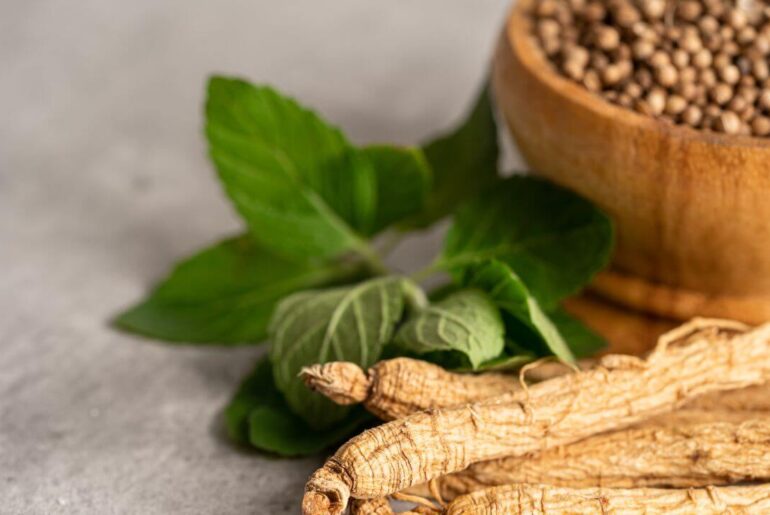
Bhringraj Benefits – How to Use Bhringraj Powder for Hair Growth

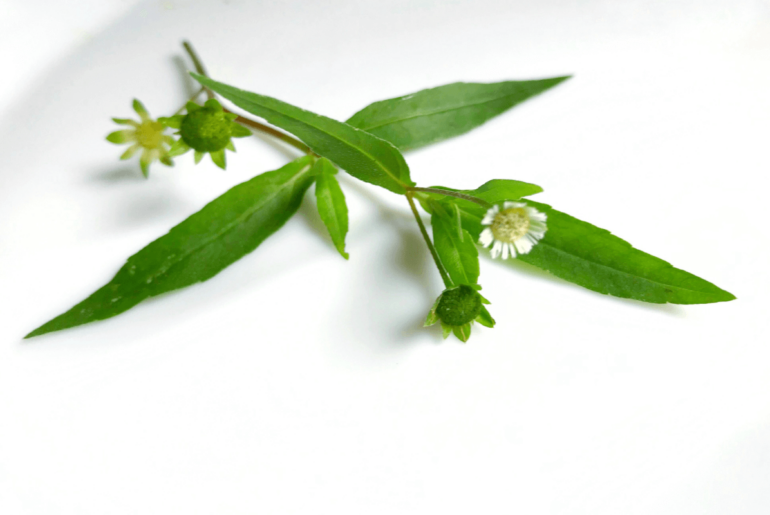
Bhringraj (Eclipta alba) is a scientifically-proven Ayurvedic herb that stimulates hair follicles through improved scalp circulation and active compounds like wedelolactone, showing 60% improvement in hair density after 8-12 weeks of consistent use. Clinical research published in the Journal of Ethnopharmacology demonstrates that bhringraj petroleum extract performs comparably to minoxidil 2% solution while offering additional scalp health benefits without the harsh side effects commonly associated with pharmaceutical treatments. We’ve seen remarkable transformations in our community when people combine traditional Ayurvedic wisdom with modern application methods. The key lies in understanding exactly how wedelolactone – bhringraj’s primary bioactive compound – activates dermal papilla cells to extend the anagen phase of your hair growth cycle. Related: The Benefits of Triphala: Ancient Ayurvedic Formula for Modern Wellness What is Bhringraj? Scientific Profile and Active Compounds Bhringraj (Eclipta alba), known as “false daisy” in English, belongs to the Asteraceae family and represents one of…

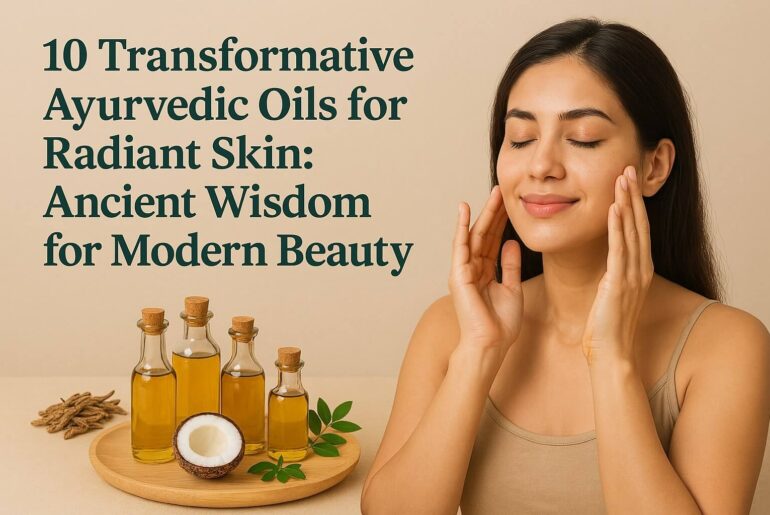
10 Transformative Ayurvedic Oils for Radiant Skin: Ancient Wisdom for Modern Beauty

Are you tired of cycling through endless skincare products that promise the world but deliver disappointment? You’re not alone. In my exploration of natural beauty solutions, I’ve discovered that Ayurvedic oils for skin offer something truly different – treatments backed by thousands of years of traditional wisdom that actually deliver visible results. Ayurvedic skincare isn’t just about applying natural ingredients to your face; it’s a holistic approach that addresses your unique skin profile by balancing your body’s natural energies or doshas. These time-tested oils can transform dull, problematic skin into a radiant, healthy complexion without harsh chemicals or synthetic additives. The global Ayurveda market was estimated at USD 14.4 billion in 2023 and is projected to grow at an impressive CAGR of 27.2% from 2024 to 2030. Why such explosive growth? Because more people are discovering what ancient civilizations knew all along – nature provides everything we need for beautiful,…

7 Powerful Ayurvedic Hair Growth Remedies for Naturally Thicker Hair

Are you tired of trying endless hair products that promise miracles but deliver disappointment? You’re not alone. In my journey exploring natural hair solutions, I’ve discovered that Ayurvedic hair growth remedies offer something different – treatments backed by thousands of years of traditional wisdom that actually work. Ayurvedic hair care isn’t just about applying herbs to your scalp; it’s a holistic approach that addresses the root causes of hair problems by balancing your body’s natural energies or doshas. These time-tested techniques can transform thin, lifeless strands into thicker, more vibrant hair without harsh chemicals. The global hair care market is projected to grow at a CAGR of 3.2% from 2023 to 2028, with natural and Ayurvedic products representing one of the fastest-growing segments. Why? Because more people are discovering what ancient civilizations knew all along – nature provides everything we need for beautiful hair. In this comprehensive guide, I’ll walk…

The Benefits of Triphala: Ancient Ayurvedic Formula for Modern Wellness

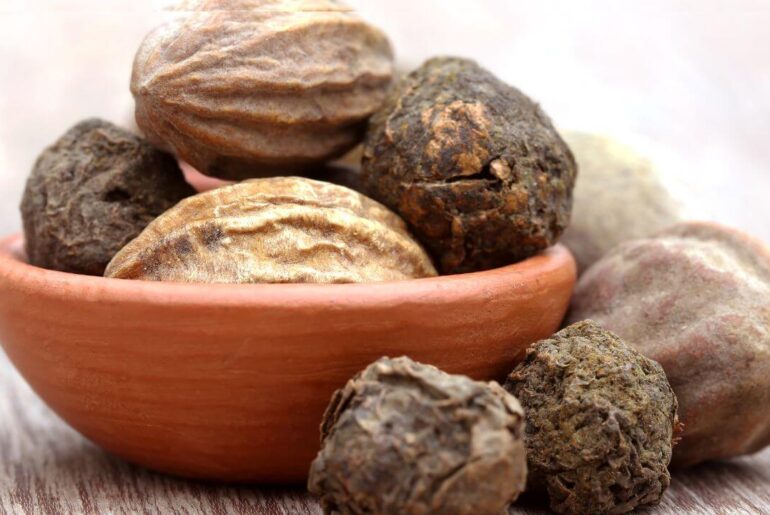
Are you looking for a natural supplement that supports digestive health, boosts immunity, and promotes overall wellness? Triphala might be just what you need. This ancient Ayurvedic herbal preparation has been used for thousands of years in traditional Indian medicine and is now gaining recognition worldwide for its remarkable health benefits. Triphala, which means “three fruits” in Sanskrit, combines three medicinal plants: amalaki (Emblica officinalis), bibhitaki (Terminalia bellirica), and haritaki (Terminalia chebula). Together, these fruits create a synergistic blend that addresses multiple aspects of health simultaneously. In this comprehensive guide, we’ll explore the scientifically-backed benefits of Triphala and how you can incorporate this ancient formula into your modern wellness routine. What is Triphala? Understanding the Three-Fruit Formula Triphala isn’t just any herbal supplement—it’s considered one of the most important polyherbal preparations in Ayurveda. What makes this formula special is the balanced combination of three potent medicinal fruits, each with its…

Ayurveda for Black Hair: Ancient Wisdom for Modern Coils, Kinks and Curls

For centuries, Ayurveda, the ancient Indian system of holistic medicine, has provided wisdom for maintaining health and harmony throughout the body—including the hair. Though developed thousands of miles from the African continent, Ayurvedic principles offer remarkable benefits for Black hair types, particularly the beautiful coily, kinky textures of type 4 hair. Black hair—with its unique structure, porosity patterns, and moisture requirements—can particularly benefit from Ayurveda’s natural, oil-centered approach. Where modern commercial hair products often strip natural oils and disrupt the delicate balance of the scalp, Ayurvedic treatments nourish, strengthen, and protect the hair from within and without. This guide explores how to harness 5,000-year-old Ayurvedic wisdom to care for contemporary Black hair textures, addressing common challenges like dryness, breakage, and scalp issues through holistic, natural treatments. Related: The Benefits of Triphala: Ancient Ayurvedic Formula for Modern Wellness Understanding Black Hair Structure and Needs The Unique Architecture of Type 4 Hair…

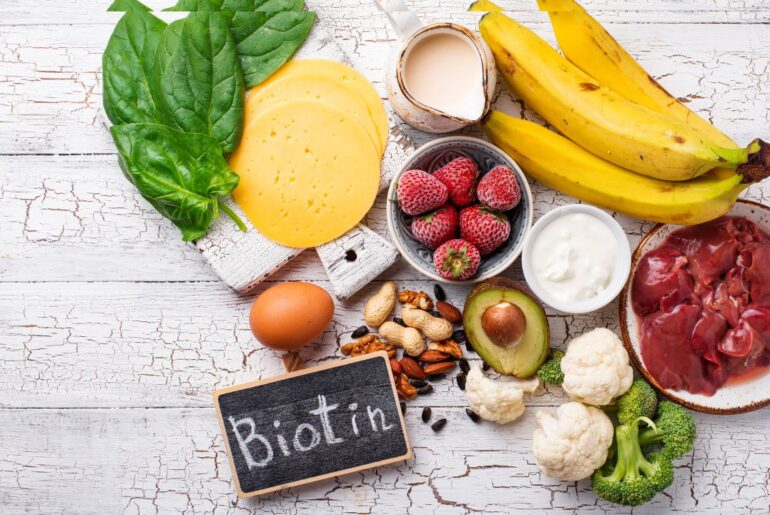
How Much Biotin to Take Daily for Hair Growth: Complete Dosage Guide

With promises of stronger hair, luminous locks, and reduced hair loss, biotin supplements have become a staple in many beauty regimens. But when it comes to determining the right amount of biotin to take for hair growth, misinformation abounds. This comprehensive guide examines the scientific evidence behind biotin supplementation, recommended dosages, potential benefits, and important precautions to consider before starting a biotin regimen. What Is Biotin and How Does It Affect Hair Health? Biotin, also known as vitamin B7 or vitamin H, is a water-soluble B vitamin that serves as an essential cofactor for multiple metabolic processes in the body. It plays a key role in: Carbohydrate, fat, and protein metabolism Cell growth and the production of fatty acids Supporting the health of hair, skin, and nails through its role in keratin production Keratin is the primary protein in hair, and biotin’s involvement in protein synthesis explains its theoretical connection…

Navigate